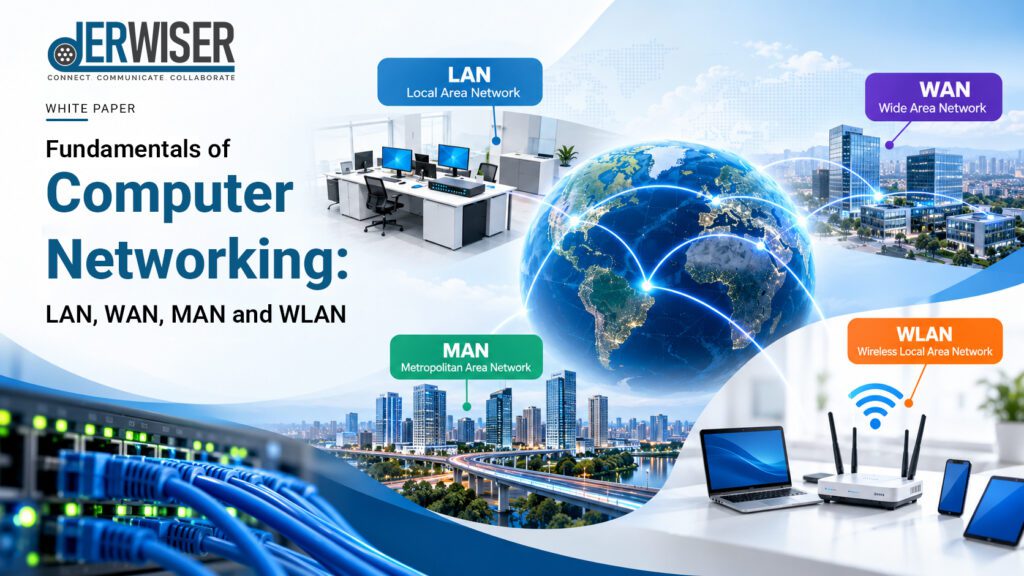
Computer networking is an essential part of modern communication technology. It enables computers, servers, smartphones, and other devices to communicate, exchange information, and share resources such as files, printers, and internet connections.
Based on geographical coverage and connectivity, computer networks are classified into four major types: LAN, WAN, MAN, and WLAN.
Local Area Network (LAN): A LAN connects computers and devices within a limited area, such as an office, home, school, or building. It generally provides high-speed connectivity through Ethernet cables and network switches.
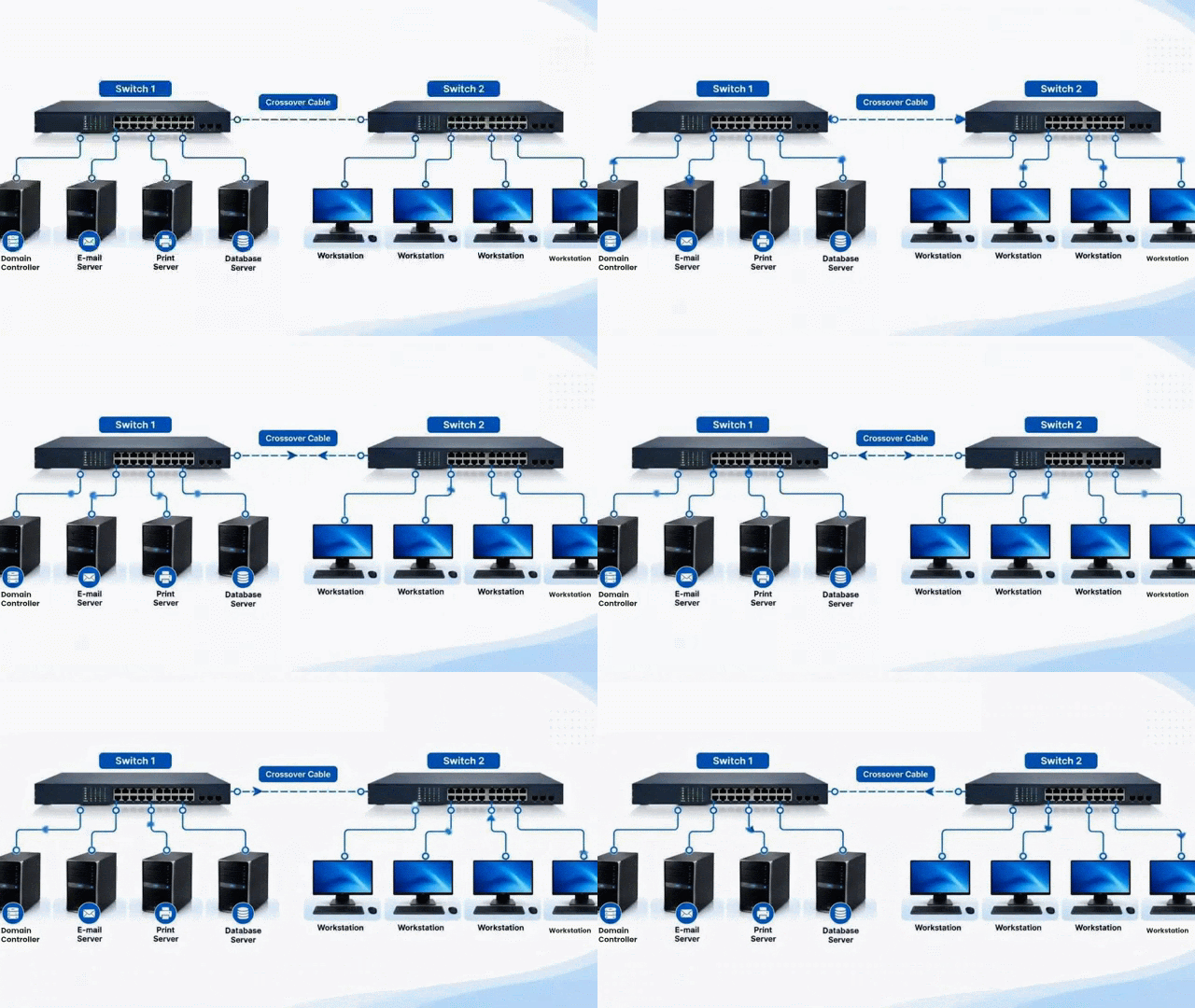

Wide Area Network (WAN): A WAN connects multiple networks over large geographical areas, such as cities, states, or countries. It is widely used by organizations to connect branch offices, data centres, and remote users. The internet is the most common example of a WAN.


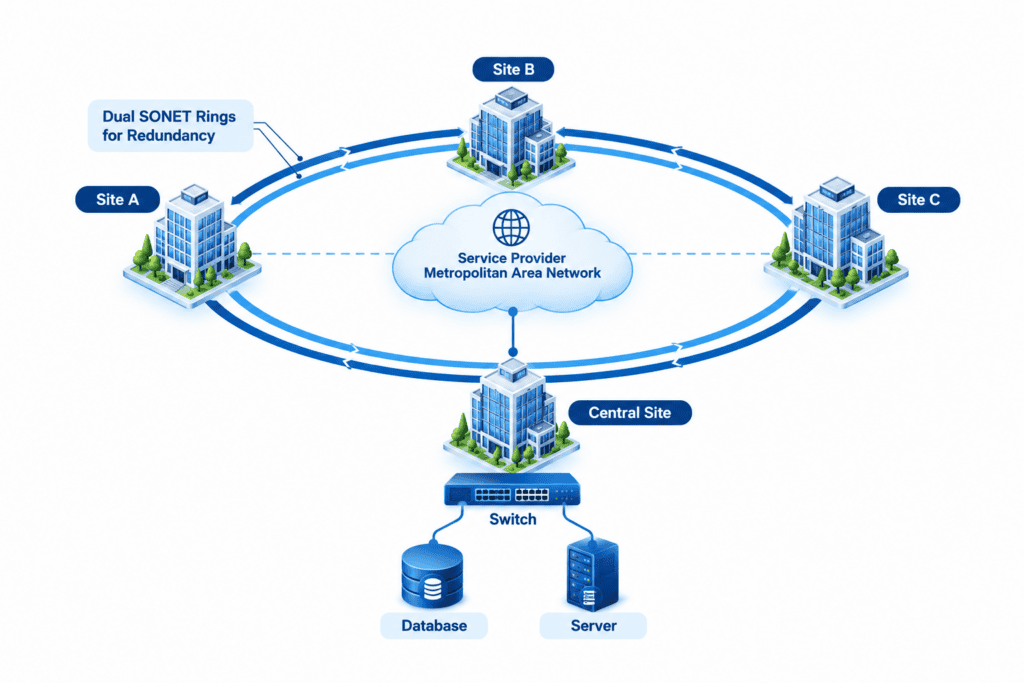
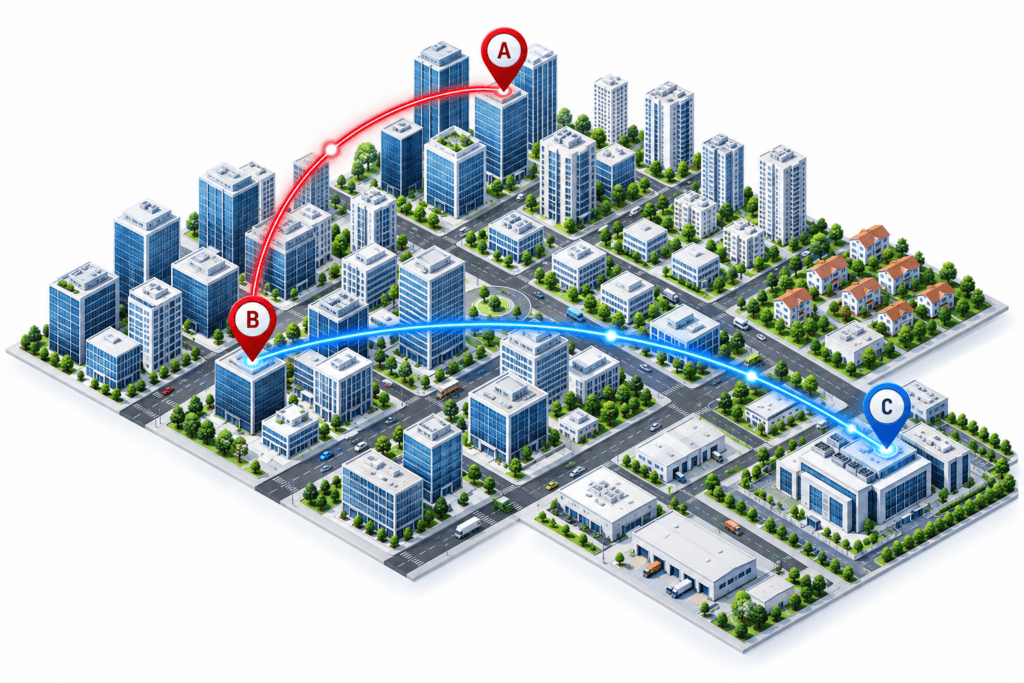
Metropolitan Area Network (MAN): A MAN connects multiple local networks across a city or metropolitan region. It commonly uses fibre-optic infrastructure to provide high-speed communication between offices, educational institutions, and government buildings.
Wireless Local Area Network (WLAN): A WLAN connects devices within a limited area using wireless technology, commonly Wi-Fi. It provides flexible connectivity for laptops, smartphones, and other wireless devices without requiring individual network cables.
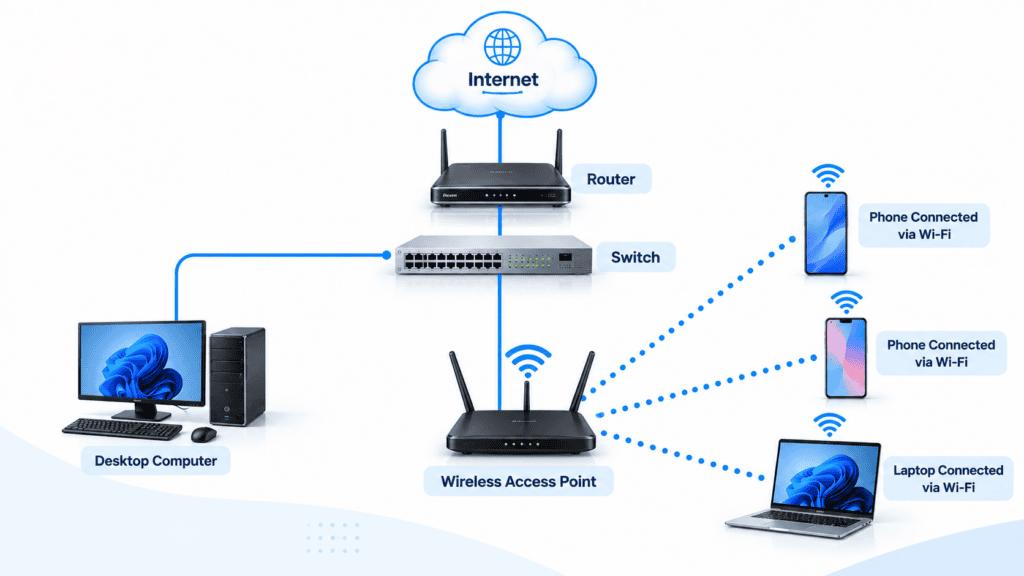
Computer networking offers several benefits, including resource sharing, improved communication, centralized management, and increased productivity. Structured cabling, fibre-optic connectivity, network switches, routers, and wireless access points play important roles in building reliable networks.
In conclusion, LAN, WAN, MAN, and WLAN serve different connectivity requirements but work together to support today’s digital infrastructure. Understanding these network types is fundamental to designing secure, efficient, and scalable communication systems for offices, educational institutions, industries, and data centres.